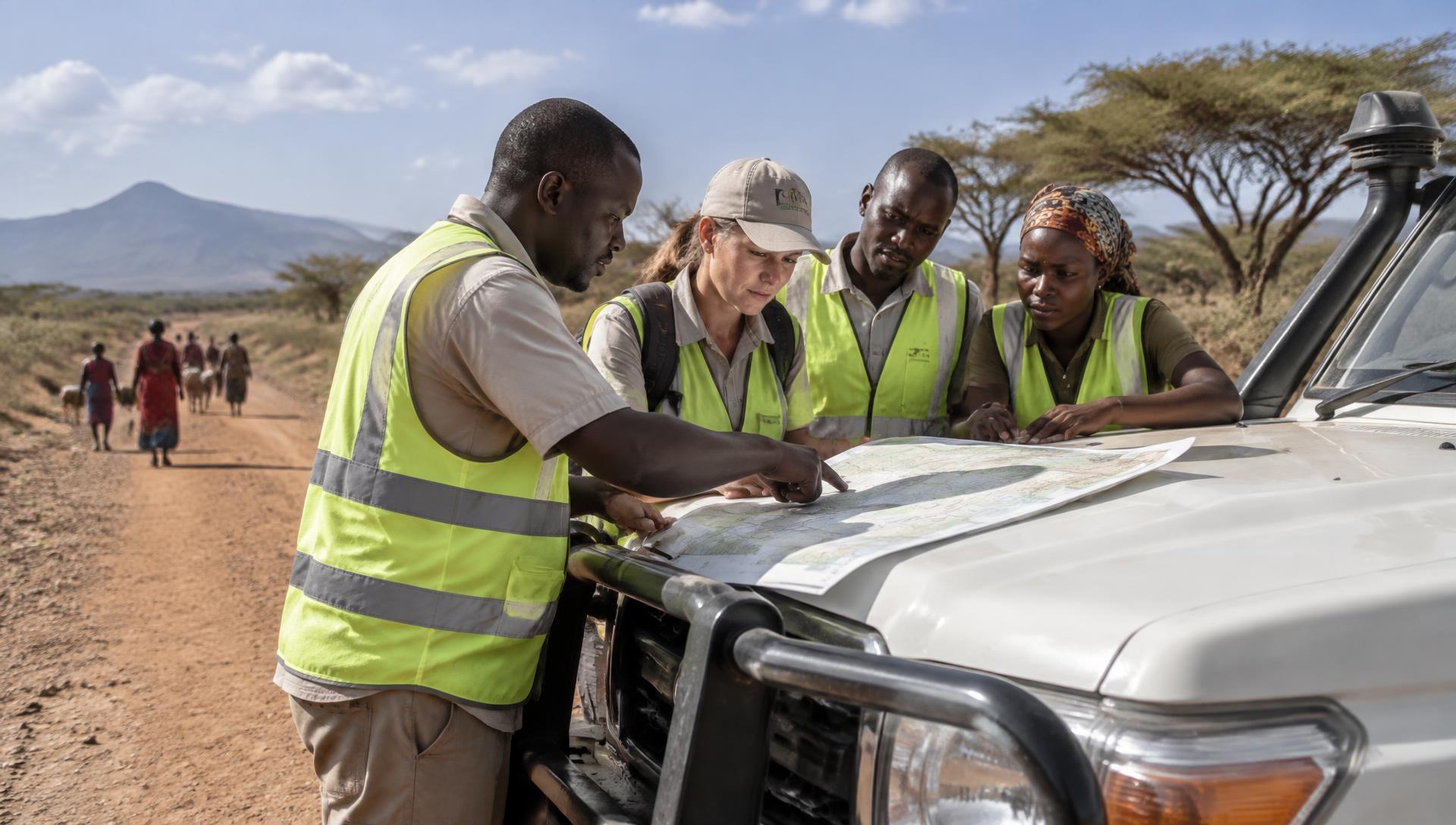
Africa-wide operational platforms
Africa Development Hub
Seven working platforms for humanitarian access, fiduciary risk, incident mapping, supply chains, crisis readiness and operational compliance — across all 54 African countries.
54
African countries covered
7
Operational platforms
32
Resources, forms and guides
9
Working regions
Development platforms
Operational utilities for the whole of Africa
Each platform is a structured working surface — fields to record against, checks to run and reference points to compare. Open one to start.
Fiduciary Risk & Compliance Utilities
Structured checks for partner due diligence, sanctions exposure, financial controls, procurement integrity and audit readiness.
Open platformHumanitarian Access Directory
Country-by-country reference points for access constraints, permissions, coordination structures and operating considerations.
Open platformHumanitarian Access Enablers
A structured view of practical factors that can support principled, safe and sustained humanitarian access.
Open platformOperational Access & Incident Map
Geographic workspace for access constraints, reported incidents, movement corridors and operational exposure across Africa.
Open platformSupply Chain Transparency
Visibility across routes, ports, borders, suppliers and disruption indicators affecting programme and business continuity.
Open platformCrisis Preparedness & Remote Management
Readiness checks for crisis governance, remote oversight, escalation, communications and continuity arrangements.
Open platformOperational Compliance Toolkit
Practical registers and checklists for policy controls, duty of care, safeguarding, documentation and operational assurance.
Open platformDataset
What the data shows
Figures come from the stored operations dataset: UN OCHA HDX operational presence and needs records, and development activity from the IATI Registry. Each entry keeps its own source.
—
Activity records
—
Humanitarian
—
Development
—
Context records
—
Organisations
—
Countries
Activity records by country
Highest record counts in the stored dataset.
Loading…
Humanitarian activity by sector
Sector labels as published by the source dataset.
Loading…
Most frequently recorded organisations
Reporting or implementing organisations named on stored activity records.
| # | Organisation | Activity records | Share of dataset |
|---|
Programme risk matrix
Likelihood against impact for a standard country-office risk register. This is an analyst framework for planning, not a measurement of any single location.
| Likelihood | Minor | Moderate | Serious | Major | Severe |
|---|---|---|---|---|---|
| Almost certain | Moderate— | Severe— | Critical— | Critical— | Critical— |
| Likely | Moderate— | SubstantialR-05 · R-06 | SevereR-04 | CriticalR-07 | Critical— |
| Possible | Moderate— | Substantial— | SubstantialR-09 | SevereR-02 · R-08 | CriticalR-01 |
| Unlikely | Low— | Moderate— | SubstantialR-10 | Substantial— | SevereR-03 |
| Rare | Low— | Low— | Moderate— | Moderate— | Moderate— |
| Ref | Risk | Category | L | I | Rating | Owner |
|---|---|---|---|---|---|---|
| R-01 | Complex or explosive attack affecting a fixed siteSite hardening, access control, safe room, drills, casualty plan | Armed conflict / terrorism | 3 | 5 | Critical | Country Director |
| R-02 | Roadside attack or crossfire on an inter-city corridorJourney approval, timing windows, comms checks, abort criteria | Armed conflict | 3 | 4 | Severe | Security Manager |
| R-03 | Detention or abduction of staff by an armed groupVetting of movement, low-profile posture, crisis-management plan | Abduction | 2 | 5 | Severe | Regional Director |
| R-04 | Programme interruption from access denial at checkpointsAccess negotiation, documentation discipline, alternate routing | Access | 4 | 3 | Severe | Programme Manager |
| R-05 | Civil unrest affecting urban movement and officesMovement pause thresholds, remote-working plan, stock buffer | Civil unrest | 4 | 2 | Substantial | Security Manager |
| R-06 | Criminal theft or armed robbery against staff or assetsCash-handling rules, guarding standard, residence standards | Criminality | 4 | 2 | Substantial | Operations Manager |
| R-07 | Road traffic collision during field movementDriver standards, vehicle checks, speed policy, night-travel ban | Safety | 4 | 4 | Critical | Fleet Manager |
| R-08 | Medical emergency in a location with limited careMedical screening, first-aid cover, referral pathway, insurance | Duty of care | 3 | 4 | Severe | HR Manager |
| R-09 | Flooding cuts supply and staff-movement routesSeasonal pre-positioning, route alternatives, contingency stock | Natural hazard | 3 | 3 | Substantial | Logistics Manager |
| R-10 | Loss of communications during field deploymentRedundant comms, check-in schedule, no-contact procedure | Communications | 2 | 3 | Substantial | Security Manager |
What the platforms are used for
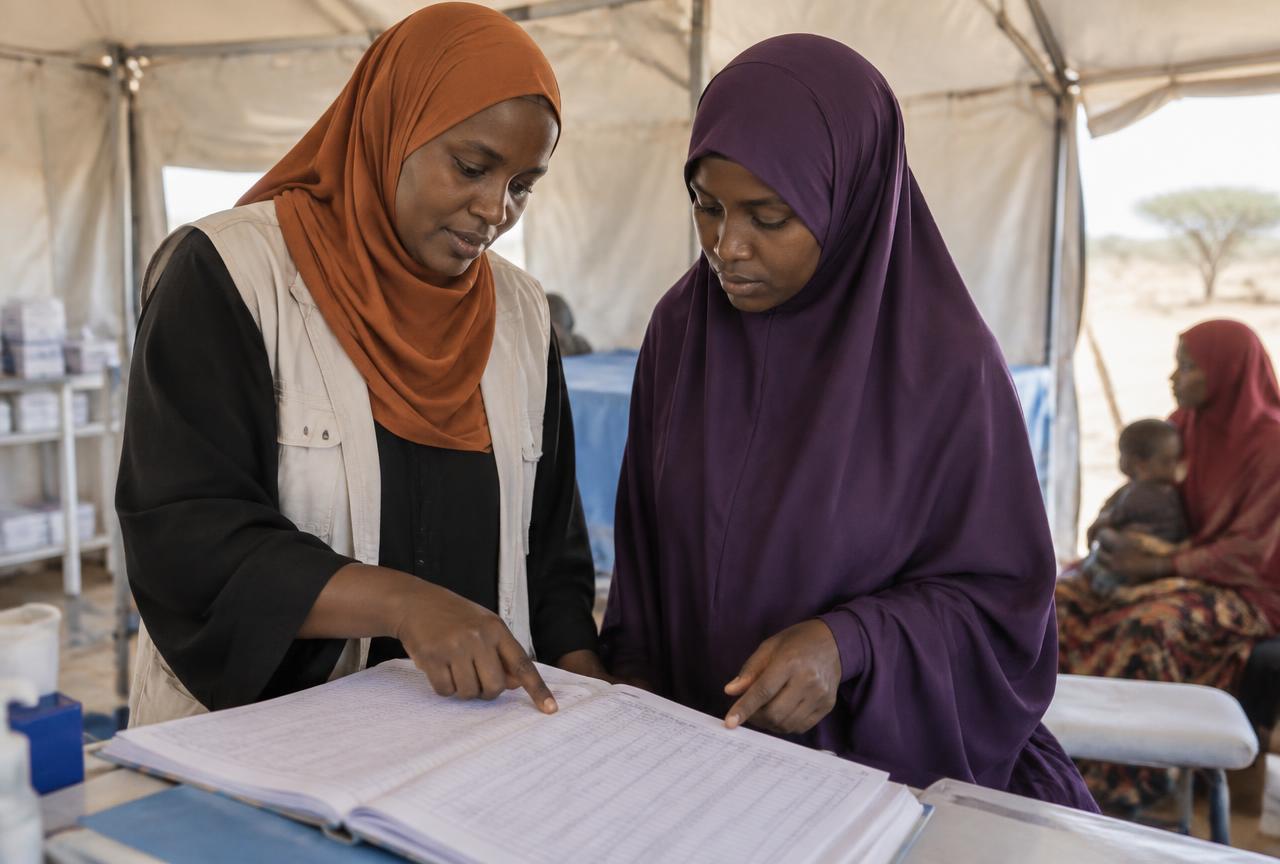
Access
Where access is negotiated, not assumed
Country reference points for constraints, permissions and coordination — and the practical factors that keep principled access open.
Continue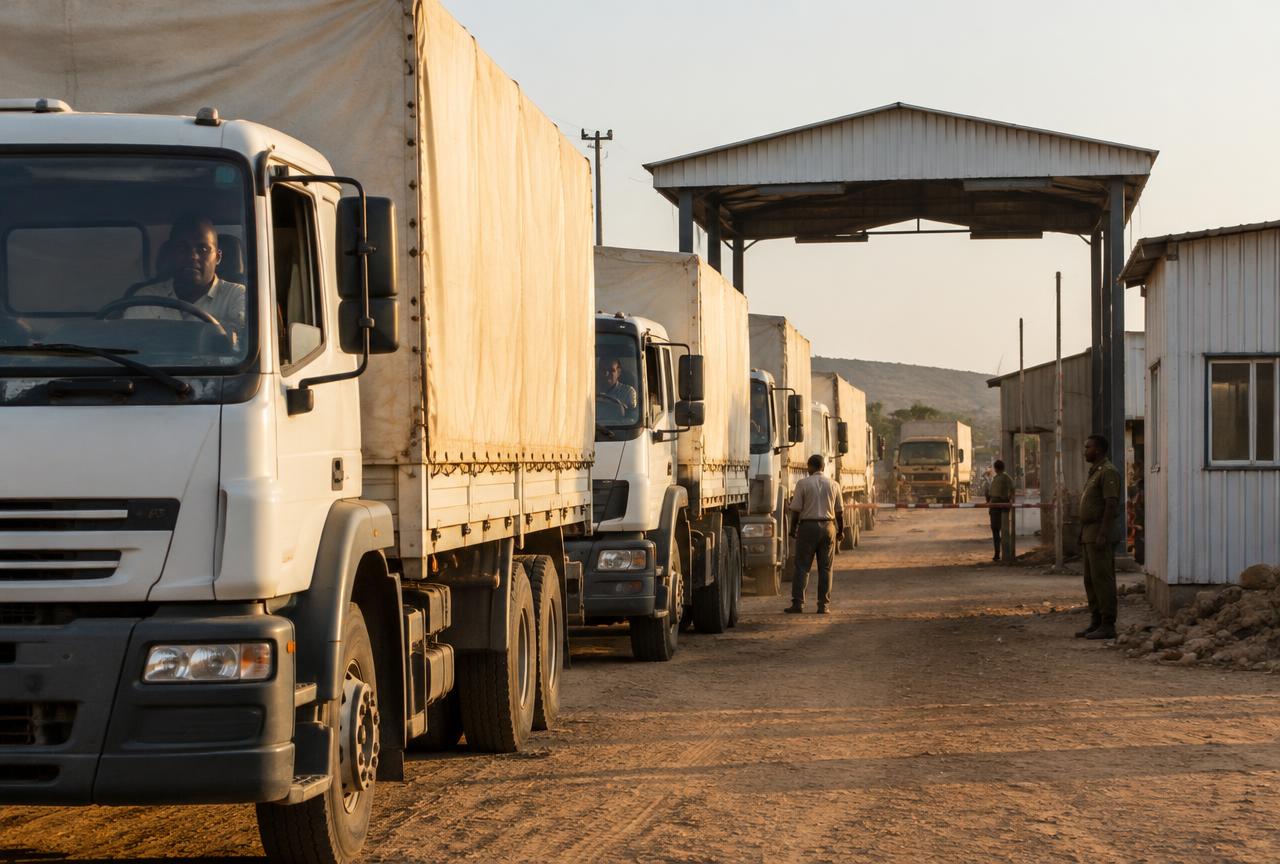
Continuity
Routes, borders and the things that stop them
Visibility across corridors, ports, suppliers and disruption indicators that shape programme and business continuity.
ContinueResources and attributed research
Open resources for the wider community
Resource Hub
32 dashboards, browser-only forms and downloadable guides adapted from the attributed source library.
OpenOperational Platform
Eight working sections, from the operational overview and incident map through to the compliance toolkit.
OpenHumanitarian Access Directory
Interactive external directory. Its displayed records include demonstration data and should not be treated as operational intelligence.
ExternalDevelopment Insights
External writing on field data, organisational systems and implementation.
ExternalIndependent, self-funded and openly shared
INGO ADVISORY is a non-commercial research and open-source intelligence project founded by Mowlid Ali, supporting the humanitarian, development and operational risk communities through open information sharing.